
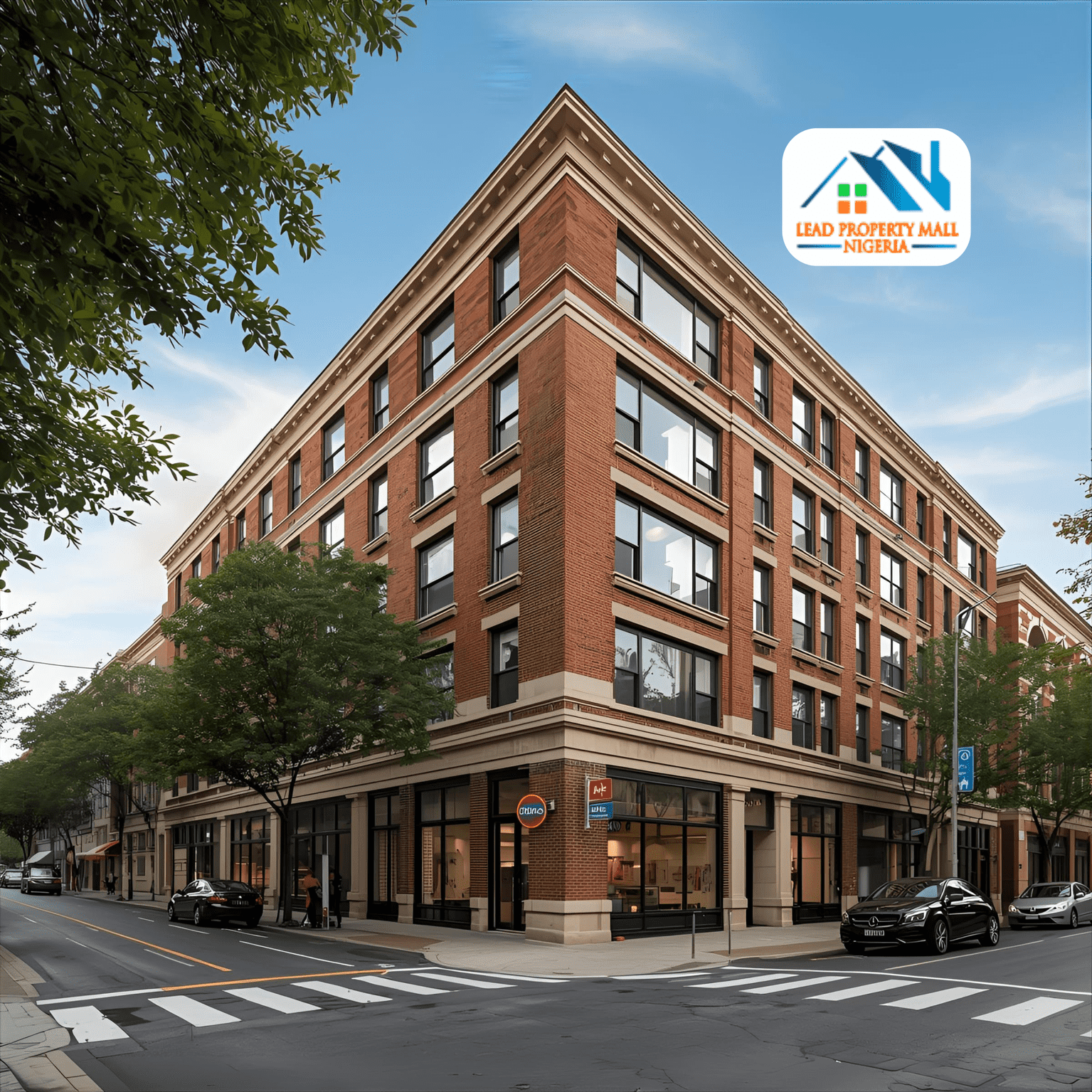
Commercial property leasing has emerged as one of the most intelligent strategies for business owners, corporations, and investors to prepare for growth. Whether you’re building brand presence, piloting new markets, or looking for strategic real estate options, leasing commercial properties provides flexibility, scalability, and financial benefits that ownership cannot match. This approach enables companies to remain nimble while optimizing operational efficiency and brand exposure.
Understanding Commercial Property Leasing
Lease of property for commercial purposes is the act of leasing space such as office space, warehouses, retail outlets, or industrial units for commercial use. Instead of purchasing a property, companies can avail it on lease for a specified duration under terms that will be appropriate for their operating goals. The practice is prevalent among startups, small and medium-sized enterprises, and multinational corporations because it keeps initial capital outlay low and enables business growth and mobility.
Leasing also encompasses a variety of contractual terms from short-term pop-up shop contracts to corporate headquarter long-term leases. All commercial property lease agreements are customized based on such factors as location, lease duration, maintenance obligations, and rent inflation provisions.
Why Businesses Prefer Commercial Property Leasing
Maybe the greatest advantage of commercial property leasing is flexibility. Businesses can expand or contract as business dictates without being saddled with the long-term financial burden of owning real estate. As an example, a retail store chain can lease a prime location in a popular shopping center for several years to test its market potential before building stores all over the nation.
Moreover, commercial property leasing reduces the capital expenditure of holding property and paying taxes. Structural maintenance and insurance are usually the responsibility of the property owner in most leasing agreements, leaving the tenant free to focus on profitability and productivity. This setup provides businesses with the flexibility to adjust to shifts in market demand easily, a much-needed strength in today’s fast-paced economy.
The Financial Benefits of Commercial Property Leasing
From the economic view, commercial property leasing assists companies in preserving capital. Instead of investing capital in real estate acquisition, companies can have capital expended on other business lines such as advertisement, research, and technology upgrades. Leasing is also easier to budget with predictable monthly payments and tax-deductible rent.
For growing businesses, commercial property leasing offers exposure to prime locations at affordable costs without investing enormous amounts of money initially. Located in a popular area can greatly improve brand recognition and attract more clients. This competitive advantage gives even small and medium enterprises level ground with large companies.
Types of Commercial Property Leasing Agreements
Commercial property leasing agreements exist in different forms, and it is beneficial to have knowledge about them to enable businesses to make informed decisions:
Gross Lease: The rent is paid flat by the tenant, whereas all the operating costs such as taxes, maintenance, and insurance are paid by the landlord.
Net Lease: The rent is paid by the tenant along with a portion of property costs. Variations include single, double, or triple net leases depending on the proportion of costs.
Percentage Lease: Used in retail outlets, where the rent is calculated in terms of a fixed rate and a percentage of sales.
Modified Gross Lease: A combination between gross leases and net leases, with cost-sharing provisions that are flexible.
Each form of commercial property leasing affects financial planning and operational control differently. Therefore, availing guidance from an experienced property management company can help create an arrangement that is appropriate for your business plan.
Location: The Central Theme of Commercial Property Leasing
Location remains paramount in the commercial property rental business. A good location can make a property more accessible, attract your target audience, and enhance brand reputation. Organizations in search of office space may opt for locations near customers or transportation hubs, while stores would opt for a location in busy centers. Logistics companies, however, look for industrial estates with reliable road links and warehousing facilities.
When looking at commercial property rental opportunities, you also need to examine demographics, accessibility, security, and future area development plans. Good, where you are today, is important, but where your company can grow tomorrow is important as well.
Technology and AI in Commercial Property Leasing
Artificial intelligence (AI) is transforming commercial property leasing dynamics in amazing ways. AI can predict market trends, price properties, and provide the ideal tenants with ideal space faster than ever before through data analytics. AI-powered technologies are used by property managers and investors to automate leasing, track maintenance calendars, and optimize energy consumption.
The intriguing question: Will AI soon make commercial property leasing entirely autonomous, from contract preparation to tenant matching and rent optimization? As technology continues to evolve, it becomes progressively clear that AI will be the driving force behind how companies procure, maintain, and renew their leased facilities in the coming years.
How Commercial Property Leasing Supports Business Expansion
Leasing commercial properties is not just about taking occupancy of a physical space it’s about building opportunity. Companies lease commercial properties in order to expand into new markets, improve brand exposure, and experiment with new concepts without the burden of high capital costs. A restaurant company, for example, can take on new properties in emerging neighborhoods to test new food styles or service concepts before deciding if it will hold onto long-term ownership.
Further, commercial property leasing encourages hybrid work styles through versatile office spaces that accommodate evolving workforce dynamics. Firms can lease shared or adaptive offices that enable them to stay competitive in attracting top talent at affordable operational costs.
Sustainability in Modern Commercial Property Leasing
Sustainability is today at the forefront of commercial property rental decisions. The majority of tenants search for green buildings equipped with solar panels, energy-efficient lighting, and smart HVAC systems. Not only does this reduce carbon footprints, but it also conserves energy expenses and enhances the reputation of a firm.
Property owners and landlords are also responding by adding green building certifications, smart technology, and renewable energy solutions to their properties. So, going green commercial property leasing is not just a moral choice, it’s a viable business benefit.
Conclusion: Choose Lead Property for the Best Leasing Solutions
In short, commercial real estate leasing offers unmatched potential for companies to grow, generate new ideas, and remain financially agile. From flexible terms to optimal location and AI-driven intelligence, leasing has evolved into a high-tech system that empowers businesses of all sizes to thrive.
If you need professional advice and expert lease solutions that align with your business needs, Lead Property is the reliable partner you can trust. With real knowledge of the marketplace, innovative solutions, and client-focused service, Lead Property helps you identify and negotiate the perfect commercial space to power your business.
Seize your future now, call Lead Property and make your leasing opportunity a powerful business advantage.


