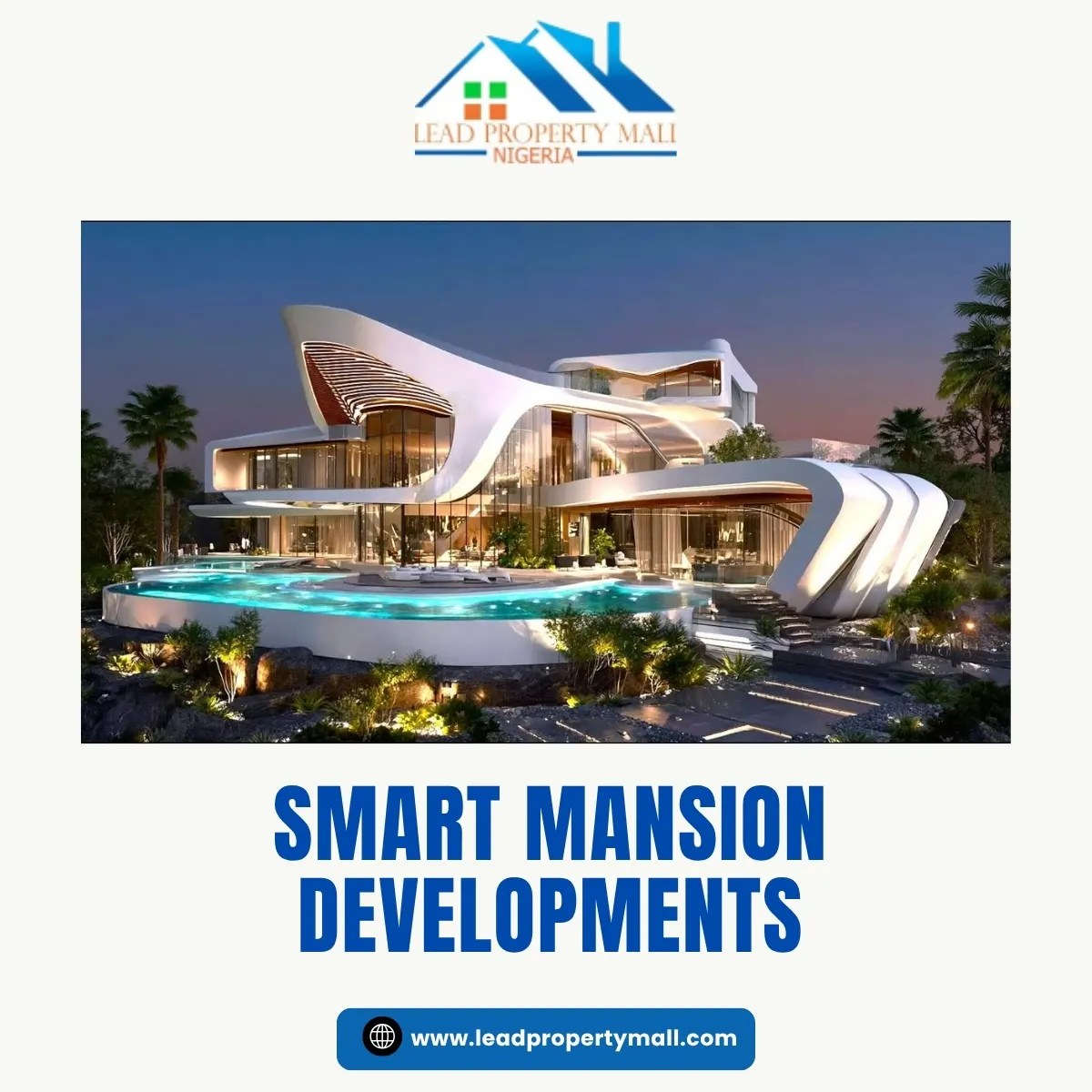
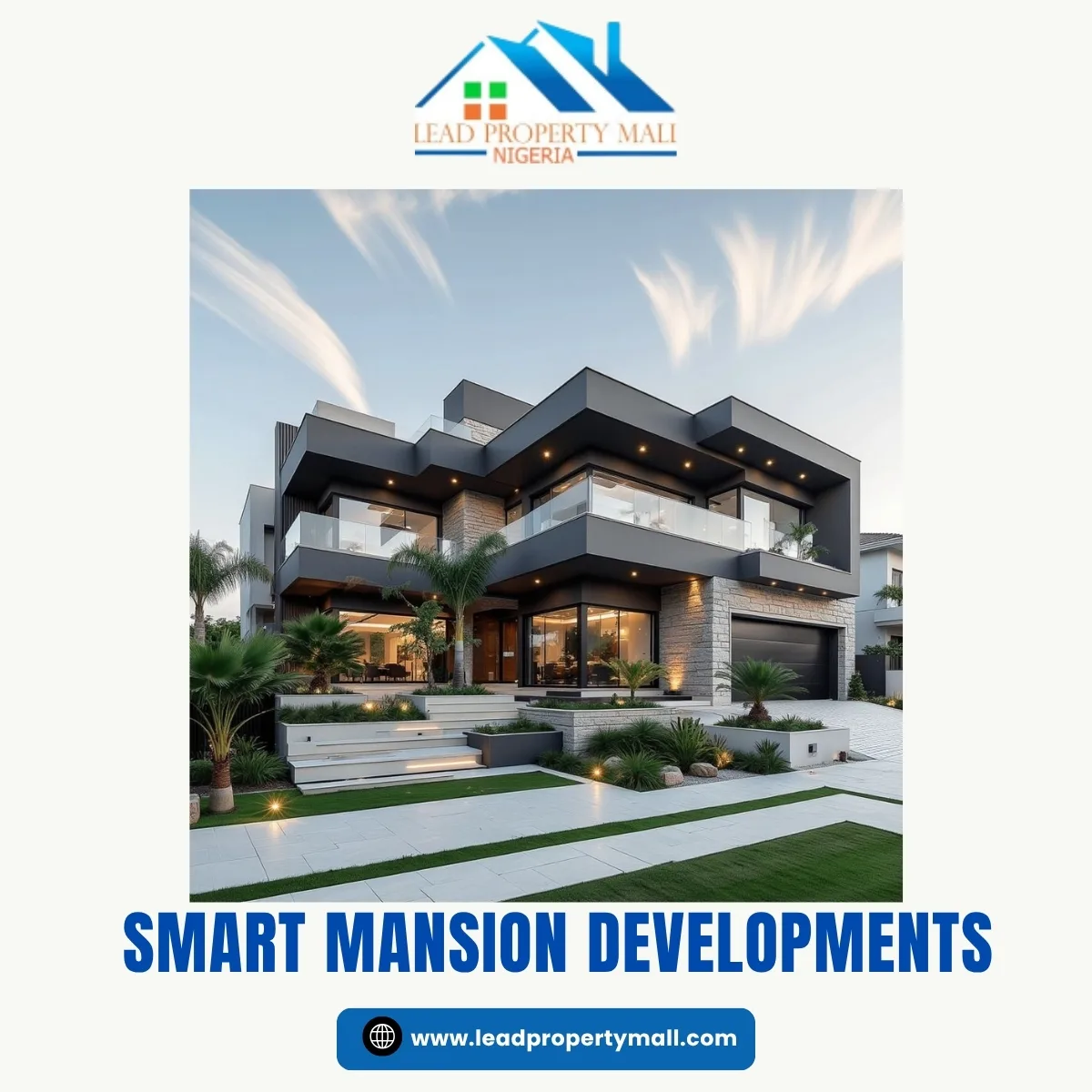
Luxury living is changing. Homebuyers are no longer looking only for large compounds, expensive finishes, swimming pools, and impressive architectural designs. Increasingly, they want homes that can respond to their needs, improve security, reduce energy waste, and make everyday life more convenient. This growing interest has placed smart mansion developments at the centre of conversations about the future of premium residential properties. In Abuja and other rapidly developing cities, technology is becoming an important part of how luxury homes are designed, built, marketed, and experienced.
What Are Smart Mansion Developments?
Smart mansion developments are high-end residential properties designed with connected technologies that allow different home systems to communicate and operate intelligently. Instead of treating lighting, security, climate control, entertainment, power management, and access control as separate features, a smart mansion can bring many of these functions together through a central system.
For example, a homeowner could control lighting, air conditioning, security cameras, automated gates, curtains, and entertainment systems from a smartphone or a dedicated control panel. Some smart mansion developments may also use sensors and automation to adjust certain systems based on occupancy, time of day, or predefined preferences. The goal is not simply to add gadgets to a luxury property but to create a more connected living environment.
Why Technology Is Becoming Important in Luxury Homes
The definition of luxury has always evolved with society. Years ago, a large compound and imported fittings could communicate status. Today, convenience, privacy, security, energy efficiency, and personalised experiences are increasingly becoming part of the luxury equation. This is why smart mansion developments are attracting attention among property developers and buyers.
Imagine arriving home after a long day and having your gate recognise an authorised access device, your pathway lights turn on, the temperature adjust, and selected indoor lights activate automatically. These experiences can make a property feel more responsive without requiring the homeowner to manually operate every system.
Security as a Major Advantage
Security is one of the strongest reasons technology is being incorporated into premium properties. Modern smart mansion developments can integrate CCTV surveillance, smart locks, video doorbells, motion sensors, access-control systems, alarm systems, perimeter monitoring, and automated gates.
A homeowner may be able to receive an alert when unusual movement is detected or review security-camera footage remotely. Access can also be managed by assigning permissions to family members, domestic staff, visitors, or service providers. While technology does not eliminate security risks, properly designed smart mansion developments can provide additional layers of monitoring and control.
Energy Management and Sustainability
Luxury does not necessarily have to mean excessive energy consumption. Efficient energy management is becoming increasingly relevant as homeowners look for ways to control operating costs and reduce unnecessary consumption. Smart mansion developments can incorporate intelligent lighting, energy-monitoring systems, automated climate control, solar power integration, smart inverters, and battery storage.
For instance, smart sensors can help identify rooms that are not being used, allowing certain lighting or cooling systems to operate more efficiently. A properly integrated system can also help homeowners understand where electricity is being consumed. In a market where reliable and efficient power solutions are important, this can add practical value to a luxury property.
AI and the Future of Intelligent Homes
Could artificial intelligence make luxury homes more personalised? The answer is increasingly yes. AI can potentially help smart mansion developments move beyond simple automation toward systems that learn patterns and assist homeowners with routine decisions.
Instead of simply responding to a command, an intelligent home could analyse recurring usage patterns and make adjustments based on established preferences. AI could support areas such as energy optimisation, predictive maintenance, security monitoring, and personalised home experiences. However, responsible implementation remains important because connected homes generate data and require strong cybersecurity and privacy protections.
Comfort and Personalisation
One of the defining characteristics of smart mansion developments is the ability to personalise the living experience. Different members of a household may have different preferences for lighting, temperature, entertainment, and room settings.
A smart system can allow homeowners to create scenes or routines for different occasions. A “movie night” setting, for example, could dim selected lights, close automated curtains, adjust the entertainment system, and create a preferred atmosphere with a single command. These details may appear small individually, but collectively they can significantly change how residents experience their homes.
Smart Technology and Property Value
Technology can also influence how a luxury property is positioned in the real estate market. Smart mansion developments can offer features that distinguish a property from conventional homes competing within the same premium segment.
However, developers should avoid installing technology simply for marketing purposes. Systems need to be reliable, maintainable, secure, and compatible with future upgrades. A sophisticated home that becomes difficult to operate or repair can quickly lose some of its practical appeal. Good smart-home planning therefore needs to begin during the design and development stages rather than being treated as an afterthought.
What Should Developers Consider?
Successful smart mansion developments require more than purchasing smart devices and installing them throughout a building. Developers need to consider infrastructure, network connectivity, cybersecurity, electrical systems, device compatibility, maintenance, user experience, and future expansion.
The architectural design should also accommodate technology without compromising aesthetics. Sensors, cameras, access-control equipment, speakers, lighting systems, and automated mechanisms should be integrated carefully into the overall design. This creates a property where technology complements the architecture instead of making the home feel unnecessarily complicated.
Are Smart Mansions Only for the Ultra-Wealthy?
Although smart mansion developments are commonly associated with extremely expensive properties, smart-home technology is becoming available across different levels of the residential market. The difference is often the scale and sophistication of the systems installed.
A premium mansion might have whole-home automation, advanced security, integrated entertainment, energy management, automated curtains, smart appliances, and comprehensive access control. Another property may begin with smart lighting, security cameras, automated gates, and energy monitoring. This means developers can design technology packages according to the property’s target market and budget.
The Future of Luxury Residential Development
The future of smart mansion developments will likely involve greater integration between architecture, automation, artificial intelligence, renewable energy, security, and digital services. Rather than having separate applications for every device, homeowners may increasingly expect unified platforms that allow them to manage multiple aspects of their property from one interface.
For developers, this creates an opportunity to rethink what luxury means. The mansion of the future may not simply be defined by its number of rooms or the cost of its fittings. It may also be defined by how intelligently the property responds to the people living in it.
Conclusion
Smart mansion developments blend sophisticated architecture with convenience, security, and automation, making them essential in luxury real estate. Advanced technology may soon be a standard feature in premium residential properties.
For investors, developers, and buyers interested in modern luxury properties, choosing the right development strategy is essential. Lead Property Mall can help clients explore property opportunities and understand the changing landscape of premium real estate. Reach out to Lead Property Mall today to discuss your property needs and discover opportunities that align with the future of luxury living.