
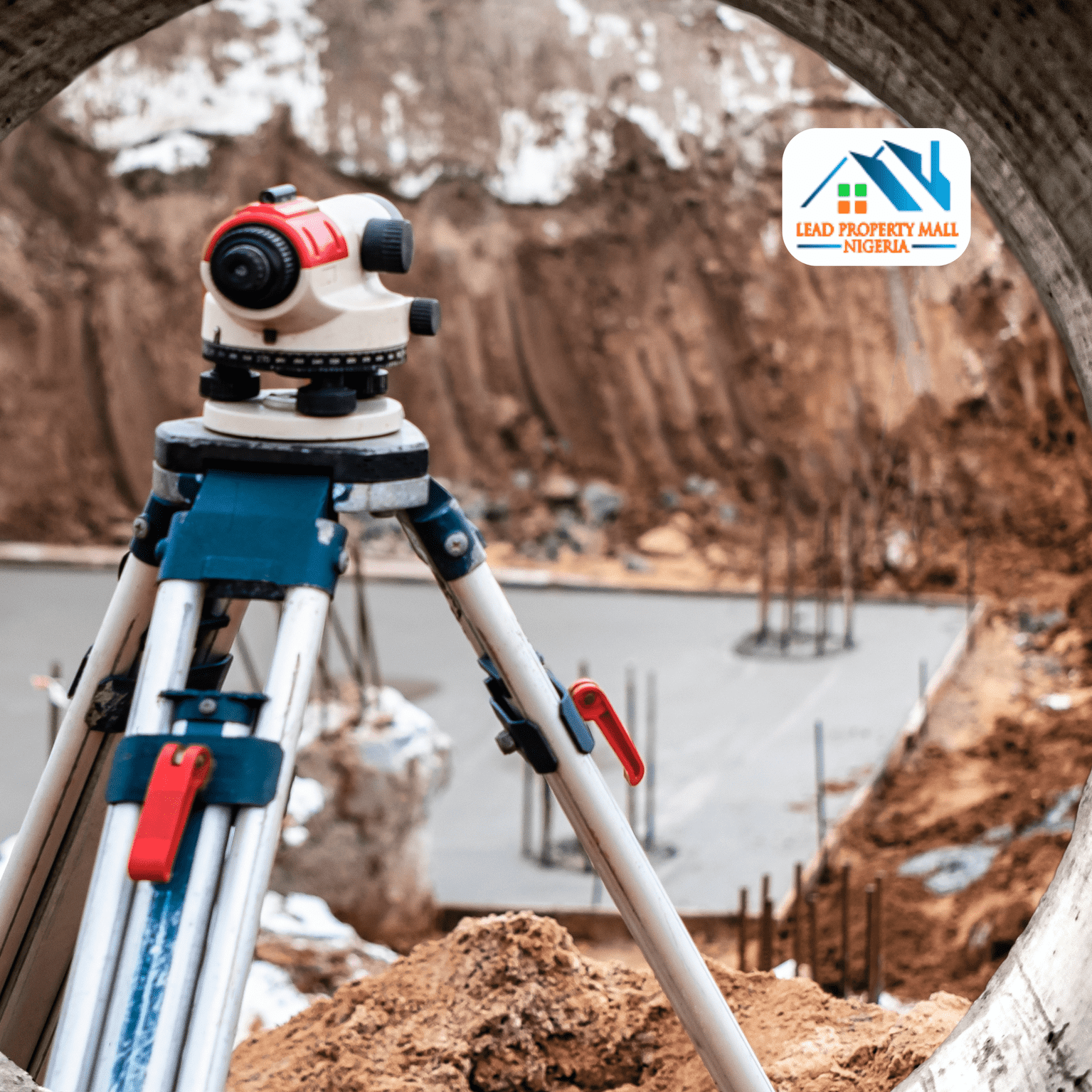
Buying land or property is one of the most significant financial decisions an individual or organization can make. Beyond the visible structures and location appeal, there are hidden legal, technical, and environmental factors that can determine whether a purchase becomes a smart investment or a costly mistake. This is where professional expertise becomes essential. Understanding the property acquisition surveyor role helps buyers navigate complex processes, minimize risk, and secure long-term value. A surveyor acts as a technical advisor, risk assessor, and compliance guide throughout the acquisition journey, ensuring that decisions are based on verified facts rather than assumptions.
Property Acquisition and the Surveyor’s Place
Property acquisition involves identifying, evaluating, and legally securing land or buildings for development, investment, or personal use. Within this process, the property acquisition surveyor role is to provide accurate, independent, and professional assessments of the property in question. Surveyors bridge the gap between legal documentation, physical land conditions, and planning regulations. They interpret boundaries, verify ownership extents, and highlight issues that may not be obvious to buyers. Without this expertise, investors may unknowingly acquire properties with disputes, encumbrances, or development limitations.
Boundary Identification and Land Measurement
One of the most fundamental aspects of the property acquisition surveyor role is boundary identification and precise land measurement. Surveyors use specialized tools and methods to confirm the exact size, shape, and limits of a property. This prevents boundary disputes with neighboring landowners and ensures that what is being paid for matches what is being acquired. Accurate surveys also protect buyers from encroachments, overlapping claims, or discrepancies between physical land and title documents, which are common sources of post-purchase conflict.
Title Verification and Legal Due Diligence Support
While lawyers focus on documentation, the property acquisition surveyor role complements legal due diligence by validating the physical reality of what the documents describe. Surveyors review survey plans, beacon placements, and layout consistency with official records. They help identify red flags such as altered boundaries, inconsistent measurements, or unapproved subdivisions. This technical verification supports informed legal decisions and reduces the likelihood of acquiring property with defective titles or unresolved claims.
Development Feasibility and Planning Advice
Another critical dimension of the property acquisition surveyor role is assessing development feasibility. Surveyors analyze zoning regulations, land use policies, access roads, setbacks, and environmental constraints. This ensures that a property can be used for its intended purpose, whether residential, commercial, or mixed-use. By identifying planning restrictions early, surveyors help clients avoid buying land that cannot legally support their development goals, saving time, capital, and reputational risk.
Valuation Insight and Investment Guidance
Although valuation specialists may be involved, the property acquisition surveyor role often includes providing informed opinions on land value based on location, size, accessibility, and development potential. Surveyors help buyers understand whether the asking price aligns with market realities and future prospects. This insight is especially valuable in fast-growing markets, where speculative pricing can mislead uninformed buyers. Sound survey input supports negotiation strength and smarter investment decisions.
Risk Management and Problem Prevention
At its core, the property acquisition surveyor role is about risk management. Surveyors identify physical, regulatory, and spatial risks that could affect ownership or use of the property. These include flood-prone zones, right-of-way issues, infrastructure limitations, and boundary conflicts. By highlighting these risks before acquisition, surveyors enable clients to either renegotiate terms, request corrective actions, or walk away entirely. This proactive approach is far more cost-effective than resolving problems after purchase.
Technology, AI, and the Evolving Surveyor Role
Modern practice is reshaping the property acquisition surveyor role through advanced technological tools such as drones, GIS mapping, and data analytics. An emerging question is: How can AI-driven land analysis further improve accuracy, predict development risks, and speed up property due diligence? With AI-assisted mapping and predictive modeling, surveyors can provide deeper insights into land behavior, urban growth patterns, and future value trends. This evolution positions surveyors as even more strategic partners in property acquisition decisions.
Conclusion: Why Expert Surveying Matters
The property acquisition surveyor role is central to making informed, secure, and profitable property decisions. From boundary verification and legal support to feasibility analysis and risk management, surveyors protect buyers from costly mistakes and uncertainty. As property markets grow more complex and technology-driven, the value of professional surveying expertise continues to increase. Clients looking to acquire property with confidence and clarity should reach out to Lead Property Mall for trusted guidance, professional insight, and end-to-end support in property acquisition.


